Breakthroughs in gene therapy and targeted treatments are reshaping the future f...See More
Jan 01, 2026

Offering timely diagnosis and holistic neurodevelopmental care

Comprehensive evaluation, therapy, and lifelong support services

Caring for Children with Neurodevelopmental Disorders and Supporting their Family

.png)
.png)
.png)
About Us
Experience
OPD Locations Across City
Happy Patients


Stay informed with our latest updates, posts, announcements, and healthcare news
Breakthroughs in gene therapy and targeted treatments are reshaping the future f...See More
Jan 01, 2026

Wishing your little ones a year full of smiles, growth, and good health #HappyN...See More
Jan 01, 2026
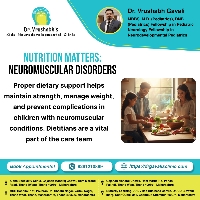
Good nutrition strengthens immunity, protects muscles, and makes feeding safer f...See More
Dec 11, 2025
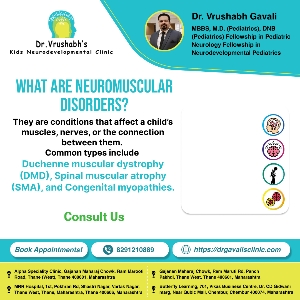
Neuromuscular disorders disrupt how your nerves communicate with your muscles — ...See More
Nov 18, 2025
Every child deserves care, laughter, and a healthy tomorrow. #ChildrensDay #Heal...See More
Nov 14, 2025
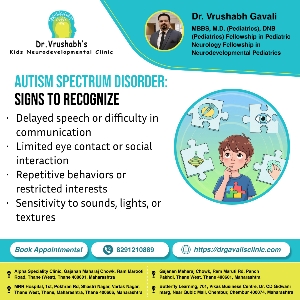
Autism Spectrum Disorder shows through challenges in communication, social inter...See More
Aug 27, 2025
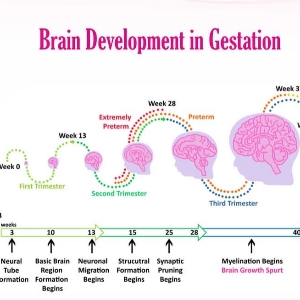
First Thousand Days" refers to the critical period from a child's conception to ...See More
Aug 23, 2025

Patients are choosing us for their health, what are you waiting for!! #PatientT...See More
Aug 21, 2025
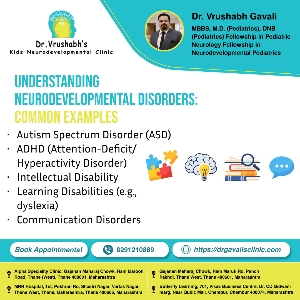
From autism to ADHD, neurodevelopmental disorders affect each child differently....See More
Aug 14, 2025
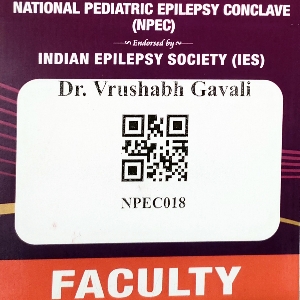
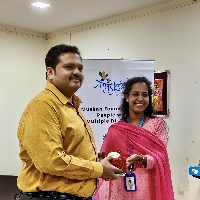
Faculty at National Pediatric Epilepsy Conference at Nagpur, 2025
Aug 03, 2025
Pediatric Neurologist

What our Patients says about us
Very good doctor Very knowledgeable




Dr. Vrushabh Gavali is uniquely qualified due to his extensive training in both pediatric neurology and child development. He graduated from Sion Hospital and holds an MD in Pediatrics from KEM Hospital & GSMC, Mumbai. Further honing his skills, he trained at the Advanced Pediatric Centre, Bharati Hospital, Pune. His dual expertise enables him to provide a comprehensive approach to neurological diagnosis and developmental care, ensuring tailored treatment plans for each child.
Dr. Vrushabh Gavali employs an integrative approach for children with neurological and developmental disorders. He emphasizes early diagnosis, comprehensive family counseling, and long-term rehabilitation. By combining neurological diagnosis with developmental assessment, he provides personalized care for conditions like developmental delays, epilepsy, and neurogenetic disorders. His compassionate approach guarantees support tailored to each child’s needs, ensuring families are guided effectively from initial concerns to ongoing therapy.
Pediatric Neurology is a medical specialty focused on diagnosing and treating neurological disorders in children. It covers a wide range of conditions such as epilepsy, migraines, developmental delays, and cerebral palsy. Pediatric neurologists employ various techniques like neuroimaging and electrophysiology to understand these conditions better, aiming to improve the quality of life for young patients through preventative measures and specialized treatments.
While Pediatric Neurology focuses on neurological disorders, Developmental Pediatrics addresses the overall developmental aspects of a child, including cognitive, motor, and emotional growth. Developmental pediatricians often work collaboratively with pediatric neurologists to provide comprehensive care, especially in cases where developmental delays intersect with neurological conditions, ensuring both physical and cognitive aspects are holistically managed.
Preventive Neurology in children involves strategies to prevent neurological disorders through early diagnosis and intervention. This includes promoting a healthy lifestyle, managing risk factors like head injuries and infections, and monitoring developmental milestones closely. Pediatric neurologists focus on education about safety measures, nutrition, and regular health check-ups to detect and mitigate potential neurological issues before they become severe.
Electrophysiology in Pediatric Neurology involves studying electrical activity in the nervous system to diagnose and manage neurological disorders. Techniques like EEG (electroencephalogram) are routinely used to evaluate conditions in children such as epilepsy or sleep disorders. These tests help pediatric neurologists understand the brain's function, tailor treatments effectively, and monitor the progress of the condition over time.
A: Pediatric Neurologists commonly treat a variety of neurological conditions, including epilepsy, headaches, neuromuscular diseases, sleep disorders, developmental delays, and cerebral palsy. They utilize both diagnostic and therapeutic strategies to manage these conditions effectively, ensuring that interventions are tailored to the specific needs of the child for optimal outcomes in development and quality of life.
Parents are encouraged to consult a Developmental Pediatrician if they notice any concerns regarding their child's developmental milestones, such as delays in speaking, walking, or social interactions. Early consultation enables the identification of underlying issues which might require intervention. Developmental pediatricians work closely with pediatric neurologists when neurological factors are involved, ensuring that any challenges are comprehensively addressed.
Pediatric Neurology significantly contributes to child development by diagnosing and managing neurological conditions that may hinder progress. It helps in identifying specific needs for intervention, facilitating improved cognitive, motor, and emotional development. Preventive neurology ensures potential disorders are managed early, reducing their impact, while electrophysiology provides critical insights into brain function, informing targeted treatments.
Electrophysiology, particularly through the use of EEG, plays a crucial role in diagnosing epilepsy in children. EEG measures electrical activity in the brain, helping pediatric neurologists identify seizure types, affected brain areas, and abnormal patterns. This information is vital for tailoring treatment strategies, monitoring the condition's progression, and assessing the effectiveness of medications, ensuring optimal management of epileptic disorders in children.
Developmental Pediatricians support children with learning disabilities by employing a multidisciplinary approach. They assess cognitive, emotional, and social aspects and collaborate with educators, therapists, and pediatric neurologists to formulate individualized plans. Their role is to facilitate interventions that help overcome barriers, enhancing learning strategies, and providing guidance for both parents and educators to support the child's educational journey.
Early intervention in Preventive Neurology is critical as it allows pediatric neurologists to address potential neurological issues before they become major problems. Detecting early signs of neurological disorders through routine check-ups and developmental assessments provides the opportunity for timely treatments. This proactive approach aims to prevent further complications, enhance developmental outcomes, and ensure a better quality of life for affected children.
During a Pediatric Neurology consultation, parents can expect a comprehensive evaluation of their child's neurological health. The process typically involves discussing medical history, conducting physical examinations, and possibly employing diagnostic tests like EEGs and MRIs. Pediatric neurologists focus on understanding symptoms and devising personalized treatment plans, which may include medications, lifestyle changes, and further referrals to specialists in developmental pediatrics for integrated care.
Electrophysiology, particularly polysomnography (PSG), aids in the treatment of sleep disorders in children by providing detailed insights into sleep patterns and abnormalities. Pediatric neurologists use PSG to diagnose conditions such as sleep apnea or insomnia, enabling them to tailor interventions effectively. This approach helps in addressing both neurological and behavioral aspects of sleep disorders, promoting healthier sleep patterns and overall well-being for the child.
 Address :Gajanan Maharaj Chowk, Ram Maruti Rd, Panch Pakhdi, Thane West, Thane 400601, Maharashtra Address :Alpha Speciality Clinic, Gajanan Maharaj Chowk, Ram Marooti Road, Thane (West), Thane 400601, Maharashtra Address :Butterfly Learning, 701, Vikas Business Centre, Dr. CD Gidwani marg, Near Qubic Mall, Chembur, Chembur 400074, Maharashtra Address :MRR Hospital, 1st, Pokhran Rd, Shastri Nagar, Vartak Nagar, Thane West, Thane, Maharashtra, Thane 400606, Maharashtra Address :B J Wadia childrens Hospital, Parel 400014, Maharashtra Address :Sparsh Children's Hospital--- On Appointment Basis, Parel 400012, Maharashtra Address :Kims Hospital,Thane Hiranandani Estate, Queens St, opposite BRENTFORD, Patlipada, Thane West, Thane, Maharashtra 400607, Thane 400607, Maharashtra Address :Prime criticare hospital,Old, Mumbai - Pune Rd, Rashid Compound, Kausa, Mumbra, Thane, Maharashtra 400612, Thane 400612, Maharashtra